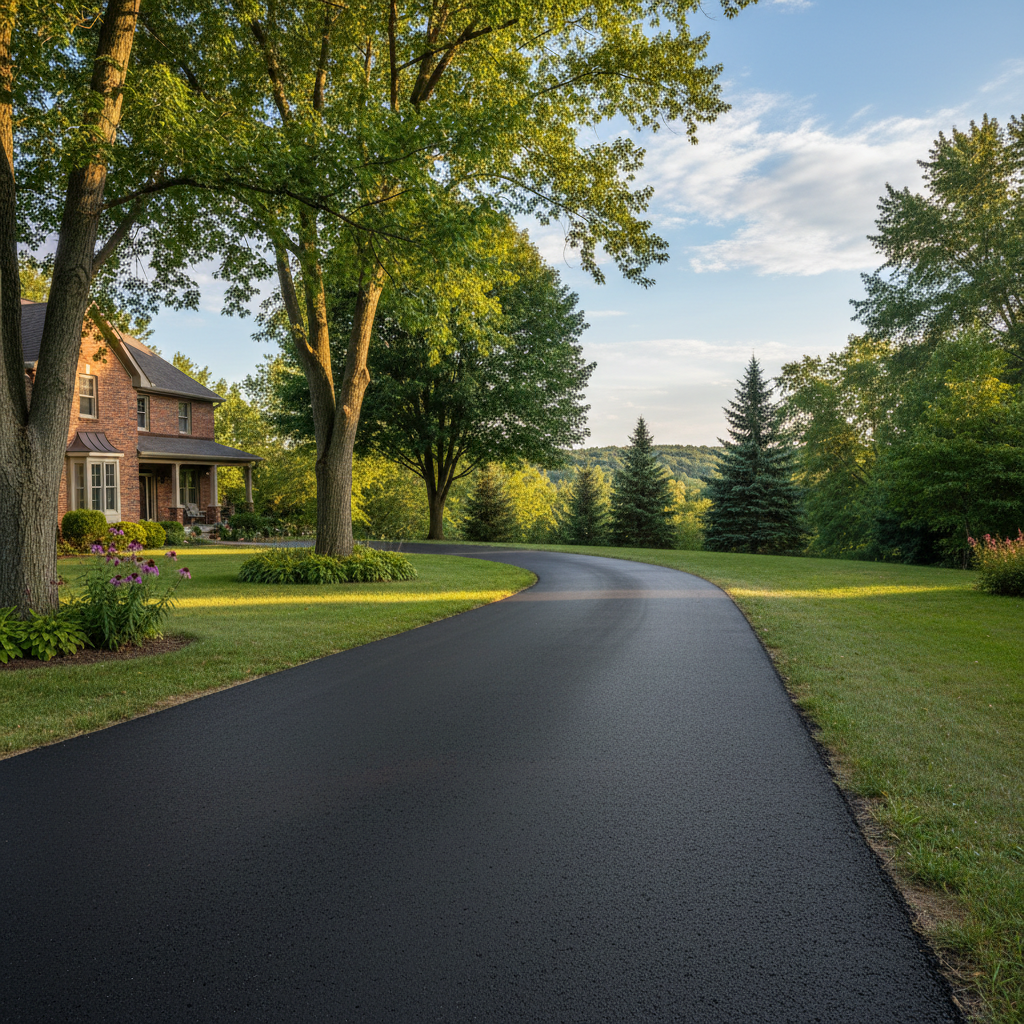
Wisconsin winters are brutal on asphalt. If you live anywhere from the Isthmus out toward Fitchburg, you already know what the annual freeze-thaw cycle does to a driveway or parking lot. Water gets into small cracks, freezes, expands, and tears the pavement apart from the inside out. Add in heavy snowplow blades scraping over the surface all January, and you have a recipe for rapid deterioration if you do not stay ahead of it.
Peak Asphalt Co reminds property owners that pavement requires seasonal attention. Taking care of your asphalt does not have to be a full-time job, but ignoring small problems until they turn into major damage will lead to expensive repairs.
What Regular Maintenance Actually Looks Like
Keeping your pavement healthy comes down to a few basic chores done at the right time of year. You do not need fancy equipment, just a bit of consistency.
- Keep Asphalt clean by blowing off leaves and debris so moisture does not get trapped against the surface.
- Check for standing water after a heavy spring rainstorm, especially around low spots in neighborhood styles typical of older Madison builds.
- Apply Sealcoating every few years to keep the binder flexible and block out UV rays and moisture.
- Pull weeds out of any emerging cracks immediately before roots pry the gap wider.
Warning Signs You Shouldn't Ignore
Most pavement failures give you plenty of warning before they turn into full-blown craters. You just have to know what you are looking at during your weekend yard work.
Hairline cracks are normal as a driveway ages, but once they start webbing together like alligator skin, the base underneath has failed. That happens a lot on clay-heavy soils around Dane County when drainage is not doing its job. You might also notice small depressions forming where your tires sit, or edges crumbling away because there is no proper shoulder support to hold the weight of a heavy vehicle.
Knowing When to Call a Professional
Some DIY weekend projects save you cash, but Asphalt Repair usually does not if you want it to last past the next snowfall. A tube of cold-patch from the hardware store is fine for a temporary winter band-aid, but it will not solve the root cause.
If you have cracks wider than a quarter inch, or sections sinking into the subgrade, it is time to bring in backhoes and hot mix. Catching a failing seam or a spreading pothole early means Peak Asphalt Co can mill and patch a small section instead of tearing out the whole driveway. Stay proactive, keep the water draining away from your edges, and your pavement will easily outlast the warranty.